25 October 2023InsightFrom the workshop journal
What is Stamping Foil?
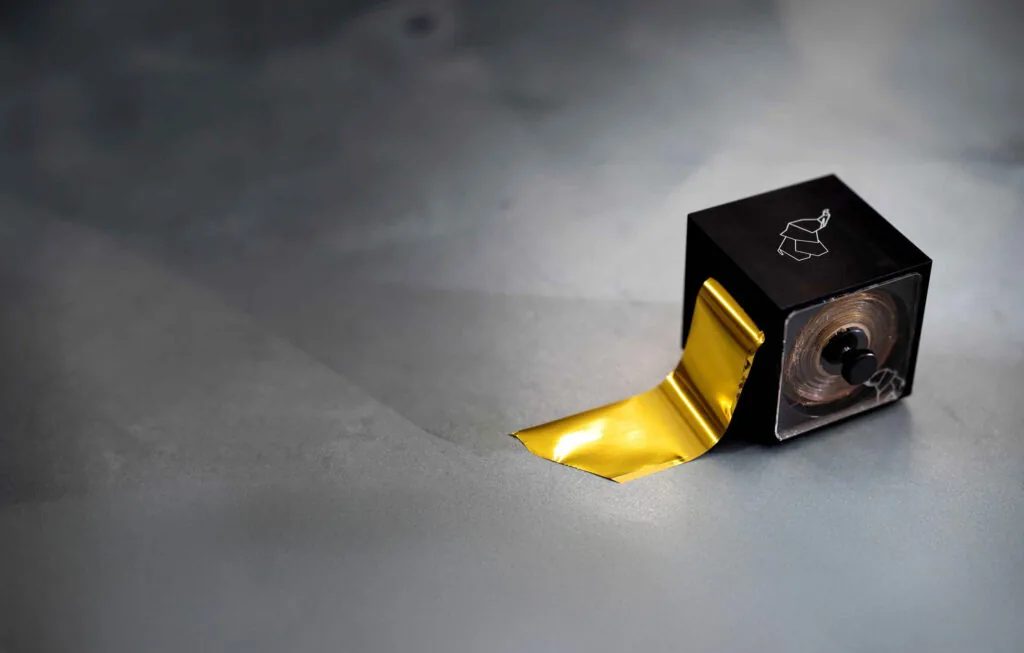
- Polyester Carrier Sheet: This is the foundational layer, providing stability and structure to the foil. It ensures that the foil remains intact during the stamping process.
- Release Layer: This layer allows the coloured or metallic layer to detach from the carrier sheet and adhere to the substrate (the surface being printed on) when heat and pressure are applied.
- Coloured or Metallic Layer: This is the layer that we see – the shimmering golds, silvers, vibrant colours, or even holographic patterns. It’s what gives the stamping foil its distinctive appearance.
- Adhesive Layer: Acting as a bonding agent, this layer ensures that the foil adheres securely to the substrate, be it paper, leather, or any other material.
The Historical Significance
Why Stamping Foil is a Game-Changer
The Process Behind the Magic
- Design Creation: The journey begins with a design. Whether it’s a brand logo, intricate patterns, or bespoke artwork, this design is meticulously crafted to ensure it translates well when stamped. High-resolution graphics and clear lines are essential to achieve a crisp finish.
- Die Production: Once the design is finalised, it’s transformed into a die. This die, often made of metal like brass or steel, is engraved or etched with the design. The depth, precision, and quality of the engraving play a pivotal role in ensuring the foil transfers flawlessly onto the substrate.
- Preparing the Substrate: The material onto which the foil will be stamped, be it paper, leather, or plastic, is prepped. This involves ensuring the surface is clean, smooth, and free from imperfections. Any inconsistencies can affect the final result, so meticulous attention to detail is paramount.
- Foil Selection: The right stamping foil is chosen based on the desired finish and the substrate’s nature. From glossy golds to matte pastels, holographic patterns to textured finishes, the choice of foil can dramatically alter the final look.
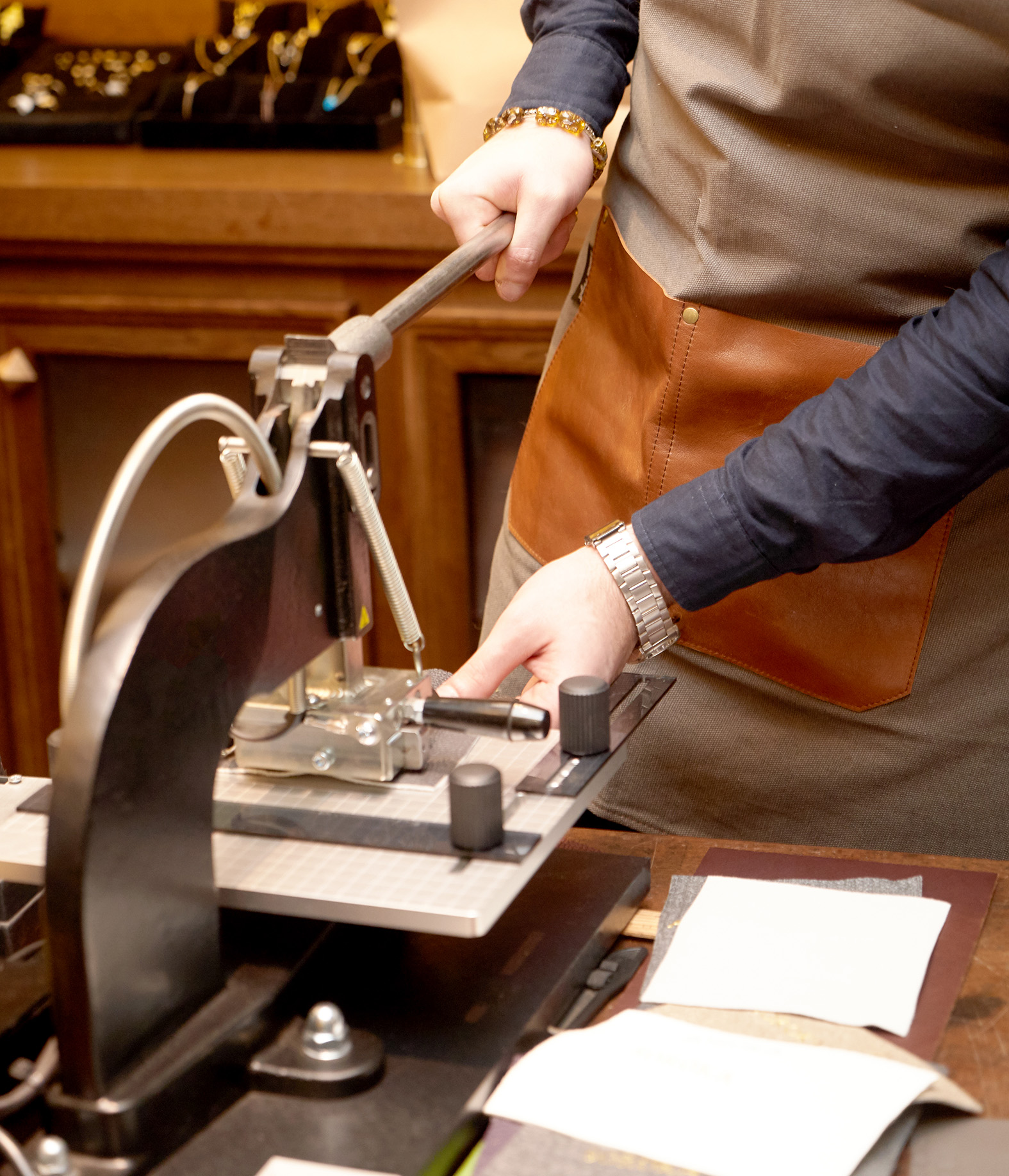
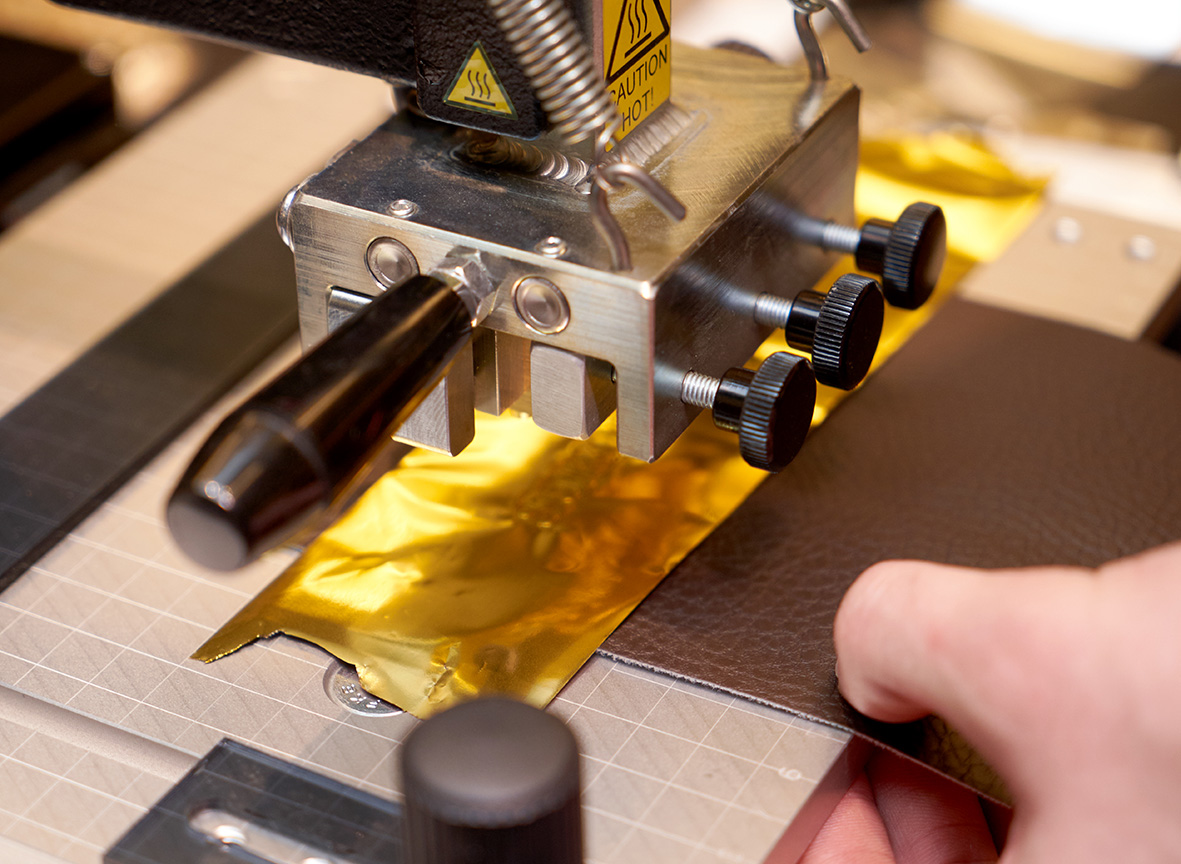
- The Stamping Process: With everything in place, the actual stamping begins. The stamping foil is placed between the substrate and the heated die. As pressure is applied, the heat from the die activates the adhesive layer of the foil, allowing the coloured or metallic layer to adhere to the substrate. The precision of the machine, the temperature, and the pressure must be finely calibrated to ensure a perfect transfer.
- Quality Inspection: After stamping, each piece undergoes a rigorous quality check. This involves examining the clarity of the design, ensuring the foil has adhered uniformly, and checking for any imperfections. At Metallic Elephant, our commitment to excellence means that only the best pieces make the cut.
- Final Touches: Depending on the project, additional finishes might be applied post-stamping. This could include embossing, debossing, or even additional print layers. These final touches enhance the tactile and visual appeal of the stamped product.
The Future of Stamping Foils