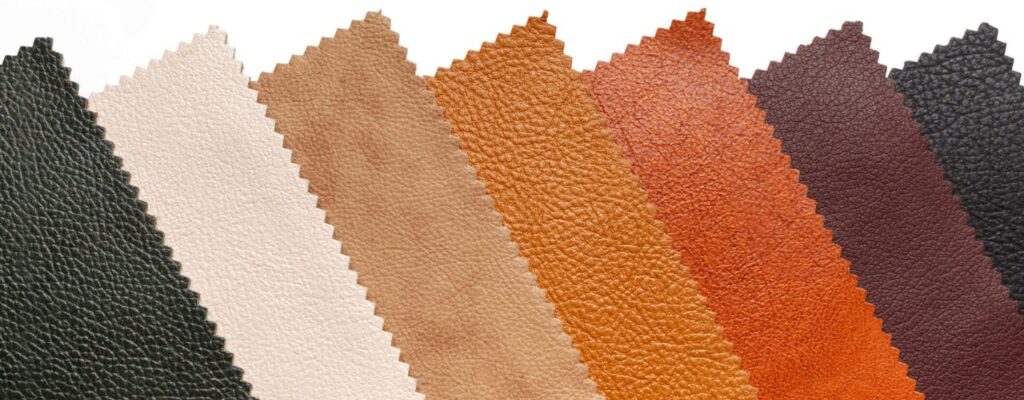
Producing reliable, high-quality finishes on leather depends on far more than selecting the right foil or die. Consistency is determined by how precisely a press controls heat, pressure, and alignment throughout a production run. For professionals working with leather, these factors quickly separate dependable equipment from machines that require constant adjustment.
A stamping machine for leather must operate within narrow tolerances. Even minor fluctuations can affect impression depth, foil adhesion, and surface finish. Understanding how a press delivers stable performance is essential for maintaining quality and reducing rework.
Why Leather Exposes Inconsistencies in Stamping
Leather behaves very differently from paper, board, or synthetic substrates. Its density, grain, and surface texture vary naturally, even within the same batch. These variations make it far less forgiving when operating conditions change.
Small shifts in temperature or pressure that may go unnoticed on other materials become immediately visible on leather. Uneven heating can weaken foil transfer. Inconsistent pressure can cause shallow impressions at the edges of a design. Registration errors are also more apparent when working on natural surfaces.
For this reason, leather is often treated as a benchmark material in professional finishing. If a press can deliver consistent results on leather, it is usually capable of handling other demanding substrates with confidence.
How Heat Stability Supports Reliable Results
Temperature control plays a central role in leather stamping. Foil adhesion and impression quality depend on maintaining heat within a narrow working range throughout each run.
If heat drifts during production, results become unpredictable. Foil may fail to bond evenly. Surface finishes can appear dull or patchy. Operators are then forced to compensate through repeated adjustments, which slows output and increases waste.
A high-quality stamping machine for leather is designed to regulate temperature accurately under load. Stable heating systems, properly insulated components, and responsive controls help ensure that operating conditions remain consistent from the first impression to the last.
Why Pressure Control Determines Impression Quality
Pressure delivery is equally important. Leather requires even force distribution across the entire die surface to achieve uniform depth and definition.
When pressure builds unevenly, results vary across the stamped area. Central sections may appear sharp, while edges lack clarity. Over time, inconsistent pressure also accelerates tool wear and increases the risk of misalignment.
Professional presses use engineered drive systems and rigid frames to maintain consistent pressure throughout each cycle. This mechanical stability allows operators to set parameters with confidence, knowing that results will remain predictable over extended production runs.
What Professionals Mean by a Stamping Machine for Leather
In professional environments, the term stamping machine for leather rarely refers to a separate category of equipment. Instead, it reflects a requirement for control, repeatability, and reliability on a demanding material.
Precision hot foil presses are often used for this purpose, not because they are designed specifically for leather, but because they allow operators to manage critical variables accurately. Heat, pressure, dwell time, and registration can all be adjusted and maintained within tight limits.
The terminology reflects performance expectations rather than engineering classifications. Professionals focus on how a machine behaves in daily operation, not how it is labelled.
Why Some Machines Struggle to Maintain Consistency
Many machines appear capable of handling leather during initial testing but struggle once production volumes increase. These issues usually stem from limitations in mechanical design rather than the material itself.
Common problems include:
- Pressure systems that lose uniformity under load
- Heating elements that fluctuate during extended runs
- Structural flex that affects registration
- Components that wear unevenly over time
When these issues occur, operators are forced into reactive working methods. Settings must be adjusted constantly, repeat jobs become unpredictable, and confidence in setup decisions declines.
In professional environments, these inefficiencies quickly translate into higher costs and reduced throughput. Consistency is not a convenience. It is a requirement for sustainable production.
How Build Quality Supports Long-Term Performance
Build quality underpins every aspect of consistent stamping. A press designed for demanding work must maintain alignment, stability, and responsiveness over many years of use.
Hand-built machines with carefully controlled tolerances tend to offer greater reliability because their components behave predictably under repeated stress. Frames remain rigid, drive systems remain balanced, and control mechanisms retain accuracy.
This reliability has practical benefits. Operators spend less time compensating for drift. Setup processes become repeatable. Production schedules become easier to plan. Equipment becomes a stable asset rather than a variable risk.
For businesses working regularly with leather and other premium substrates, this long-term consistency is essential.
Leather in the Context of Other Demanding Materials
Leather is not the only substrate that places high demands on stamping equipment. Many professional finishers work with materials that require similar levels of control, including coated boards, speciality papers, and laminated surfaces.
The same principles apply across these applications. Stable heat, even pressure, and mechanical precision determine output quality. Leather simply makes weaknesses more visible.
For this reason, professionals rarely invest in machinery designed around a single material. They select presses engineered to perform reliably across a wide range of challenging applications.
How to Evaluate a Stamping Machine for Leather
When assessing a stamping machine for leather, professionals focus on how well it supports consistent performance over time rather than on headline specifications alone.
Key considerations include:
- Temperature stability under continuous operation
- Pressure distribution across full die areas
- Structural rigidity and alignment accuracy
- Responsiveness and repeatability of controls
- Long-term durability of critical components
These factors determine whether a press can deliver predictable results month after month, not just during demonstrations.
Viewed in this way, the term stamping machine for leather becomes a practical filter. It helps teams assess whether equipment will support demanding finishes as part of everyday production rather than requiring constant intervention.
Supporting Consistent Finishing Results
Consistent leather stamping depends on precision, stability, and engineering quality. Machines that deliver controlled heat, uniform pressure, and reliable alignment allow operators to work with confidence and reduce unnecessary rework.
If you work with demanding materials and want to explore how equipment choice affects finishing performance, you can speak directly with the team via the contact page to discuss your requirements in detail.

Written by Metallic Elephant